Workshop on Enhancing Women’s Participation in Conflict Resolution and Peace Building
Monday, 15th March, 2010 – Thursday, 18th March, 2010
JUBA, SUDAN
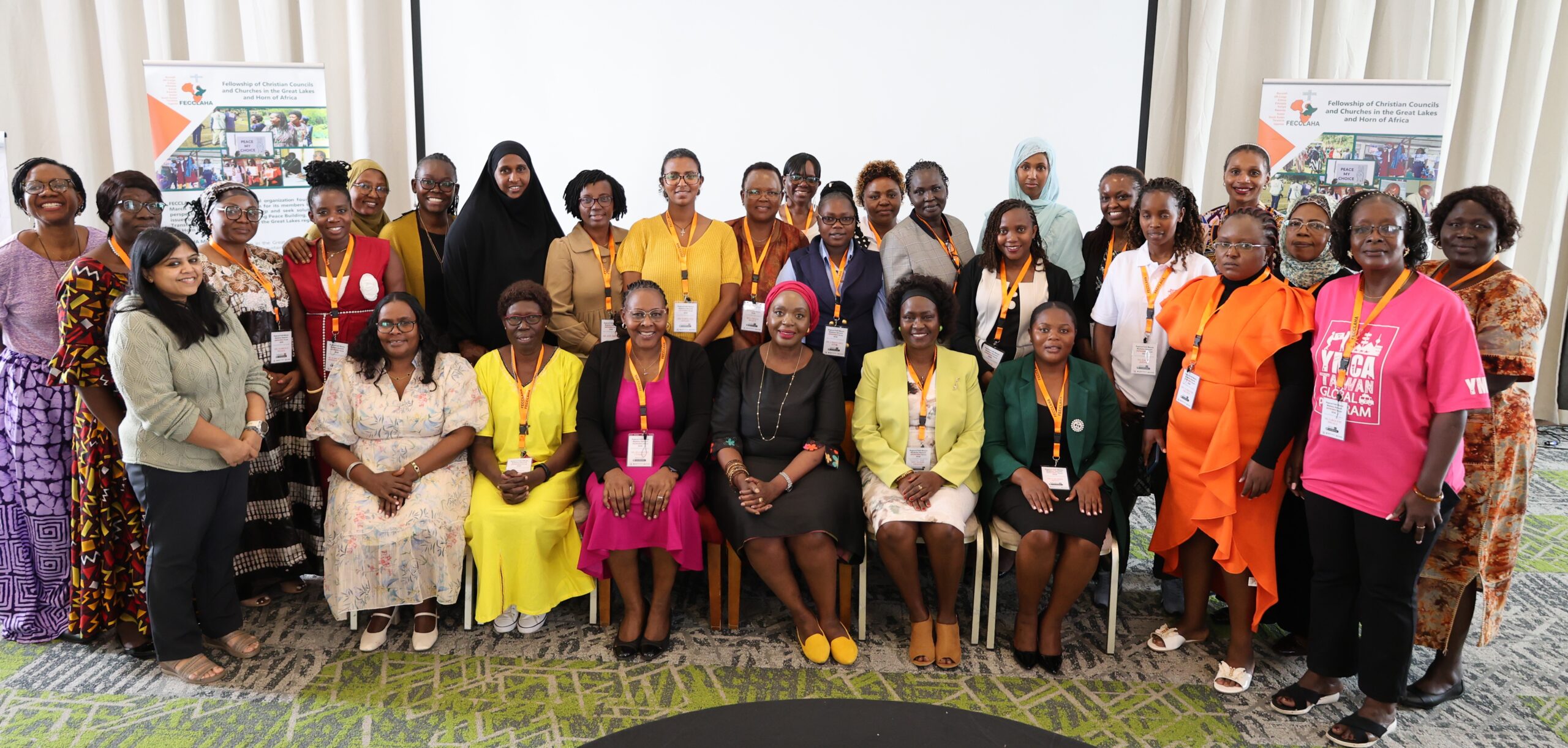
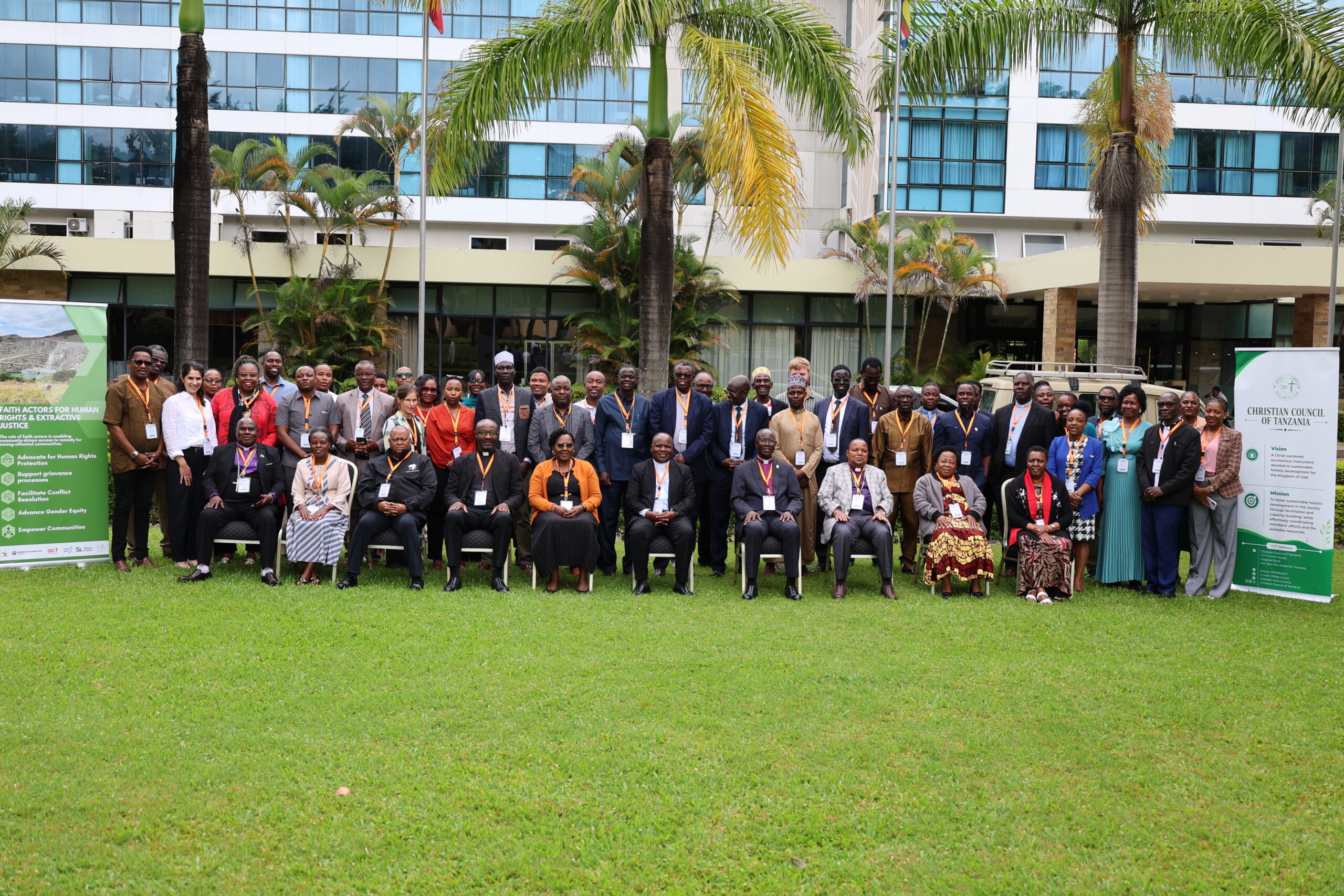
A workshop was organized by FECCLAHA in conjunction with Sudan Council of Churches (SCC) that took place in Juba, Sudan between 15th March, 2010 and 18th March, 2010. The aim of the workshop was to unpack the United Nations Security Council Resolution (UN SCR 1325) and reflect on possible ways the same can be implemented. The aim of the workshop was also to create a platform upon which women in the region can stand in solidarity with the women in Sudan as they anticipate an imminent transition with the elections set take place in April. Participants were drawn from Uganda, Rwanda, Burundi, DRC, and Tanzania. There were representatives from the FK Exchange programme from Ethiopia, Norway, and Kenya.
The women were taken through objectives of the workshop; an overview of women in Peace building in the region; Unpacking of the UN SCR 1325; and a theological reflection on women in Peace Building. At the end of the workshop the participants were asked to reflect on an action plans which they could implement within their context.
Objectives of the Workshop:
To provide space for experience sharing on the work on women’s participation in conflict resolution;
To create strategies for lobbying and advocacy for National Action Plans.
Specific Objectives for the workshop:
To assess the contribution of women towards conflict resolution and peace building;
To assess the use and acknowledgement of gender dimensions in peace building platforms;
To find out the obstacles that hinder women from taking part in peace building;
To create space for experience sharing and learning from others’ experiences;
To create a clear lobby and advocacy strategy towards the National Action Plans.
The two day workshop was coupled with FECCLAHA Executive Committee Meeting which facilitated for various pastoral visits. The delegations that comprised of seven top Church leaders of various Churches in Sudan, led by the Chair person and Deputy General Secretary of SCC, and FECCLAHA Executive Committee visited various offices including:
The Office of the Vice President of Government of Southern Sudan;
The Office of the Secretary General, National Election Commission in Sudan;
The Office of the Central Equatoria State, Government of Southern Sudan;
The Sudan Council of Churches and the Church in Sudan.
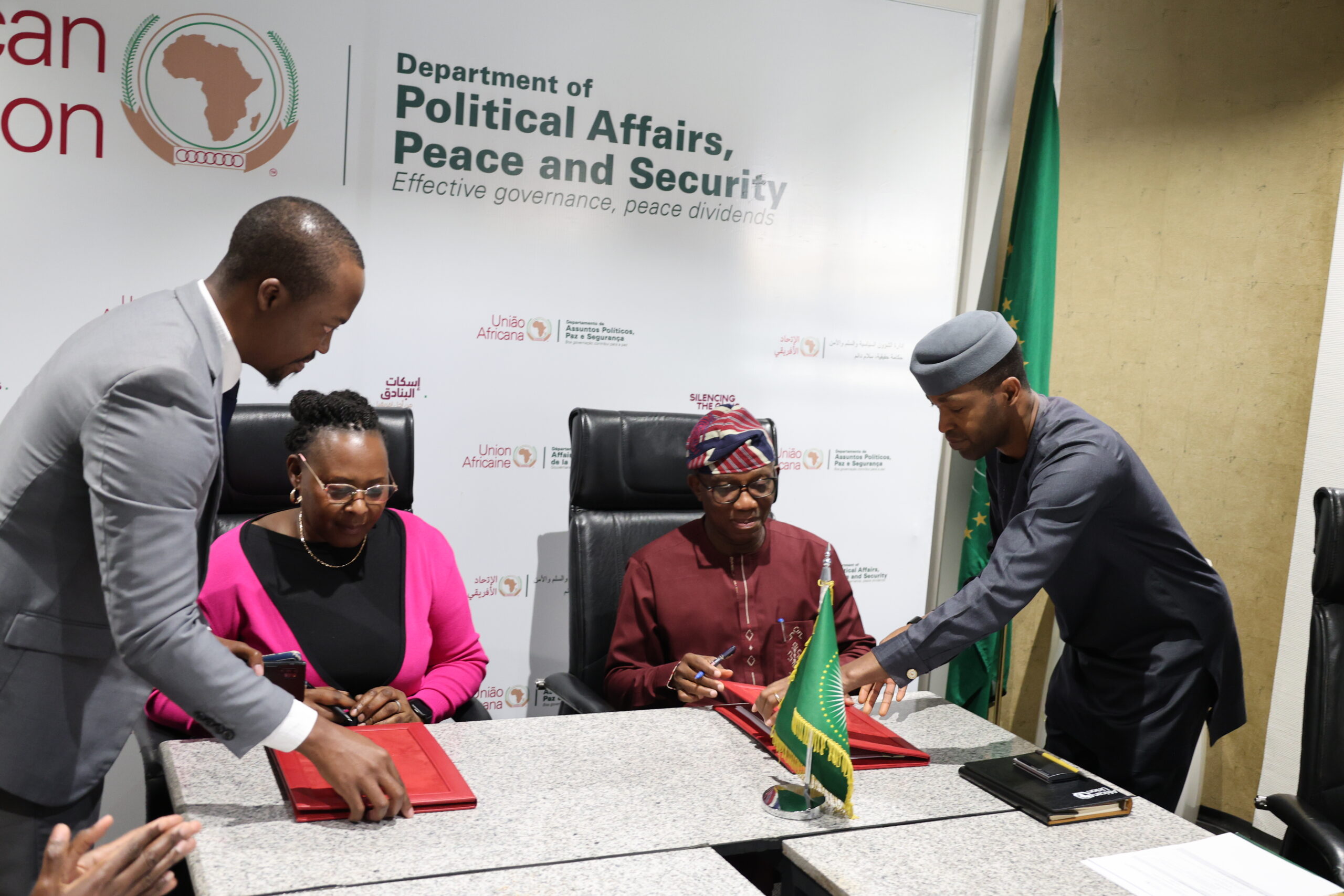
The delegation delivered pastoral letters to the Vice President of GOSS and the Southern Sudan High Committee and met with the Deputy Governor of the Central Equatoria State, GOSS alongside other Ministers and the Sudan Council of Churches and the Churches in Sudan.
These pastoral visits and workshop were a call for peace in the upcoming elections in the country. The workshop and solidarity/pastoral visit were symbolic in that they demonstrated solidarity with Sudan as they anticipate the upcoming transition.
The above initiative is a ground breaker and the beginning of a process, especially as the country seeks to rebuild and ensure peace during and after elections. The process will also prepare the ground for the referendum set to happen after the elections. We therefore look forward to a continued collaboration as we work towards partnering and standing in solidarity with the women, men, and children of Sudan.
Report on the Workshop on UN SCR 1325
Week of Action on Small Arms
One Day Women Only Training on Arms Trade Treaty (ATT)
One factor that is fuelling gun violence in many countries in this region is the irresponsible international arms trade – small arms and light weapons as well as other conventional arms. In most cases suppliers of weapons are not held accountable for aiding war crimes and serious violations of human rights, or for perpetuating poverty, corruption, armed conflict and organized crime.
Today, there are no global standards controlling the international trade in conventional arms to help protect human rights. Most governments continue to permit the irresponsible trade in weapons, ammunitions and other military and policing equipment, inflicting misery and carnage on people...
Northern Uganda
Update on accompaniment of the Northern Uganda Peace Process
FECCLAHA remains committed to exploring alternative mechanisms in ending the Northern Uganda conflict. In April 2009, FECCLAHA in collaboration with Sudan Council of Churches (SCC) and Uganda Joint Christian Council (UJCC) issued a statement calling the Government in Sudan, the Lord’s Resistance Army/Movement (LRA/M), and all stakeholders to the Northern Uganda peace process to re-engage and rescue the peace process from total collapse. This is after the failure of the signing of the Final Peace Agreement (FPA) on 29th November 2008 which led to a military offensive by the tripartite forces of the Democratic Republic of Congo (DRC), Southern Sudan and Uganda. To date the operation has not managed to achieve its main objective of arresting Joseph Kony, the leader of the LRA/M.
Currently, FECCLAHA continues its efforts towards the release of over 400 women and children and some Lord’s Resistance Army (LRA) ex-combatants who have expressed the wish to be voluntarily disarmed, demobilized, rehabilitated, resettled, and reintegrated. FECCLAHA has also continued its advocacy with the LRA High Command for a cessation of attacks on civilians and the closure of the Northern Uganda peace process through the signing of a unilateral declaration of the cessation of hostilities. Additionally, FECCLAHA is advocating for the signing of the FPA by General Joseph Kony in the presence of the United Nations (UN) Special Envoy for the LRA Affected Area and other stakeholders.
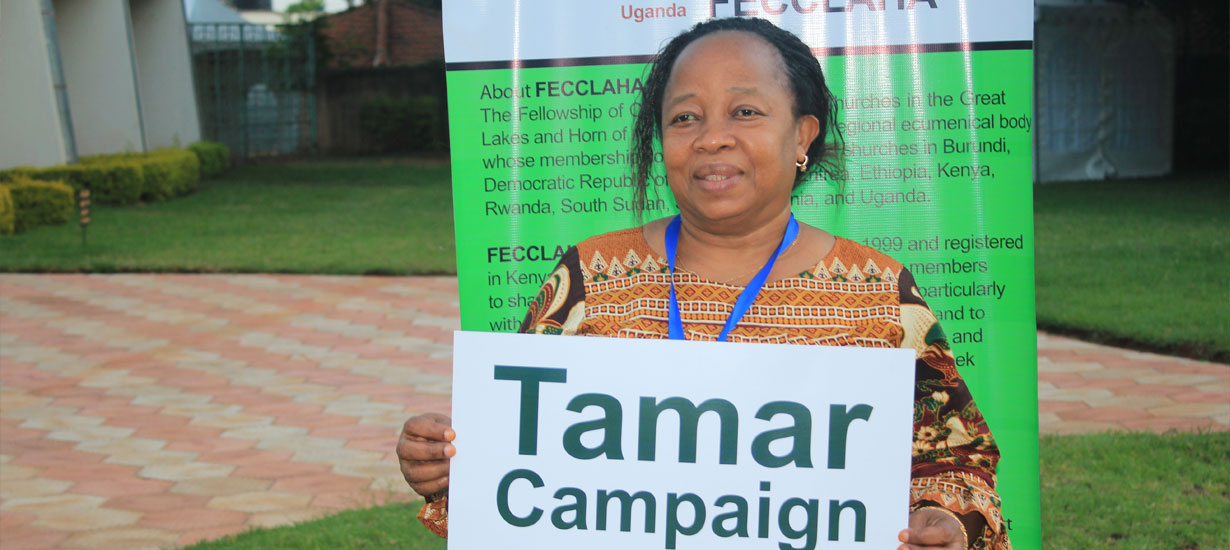
Tamar Campaign
Eastern Democratic Republic of Congo (DRC): Bukavu Assesment Report
The use of sexual violence in DRC haunts not only the survivors but family members and the community at large. The demand for the end to sexual violence in the DRC needs to be louder. Healing and restoration of the community will require that beyond the physical healing, spiritual and psychological efforts are involved. Women will be healed but in 10 years time all these women will have significant problems, psychological problems. We need to have a system that cares for these women; the church is well placed to do this. The question is how do we get the pastors to that level?”-Dr.Mukwege ....